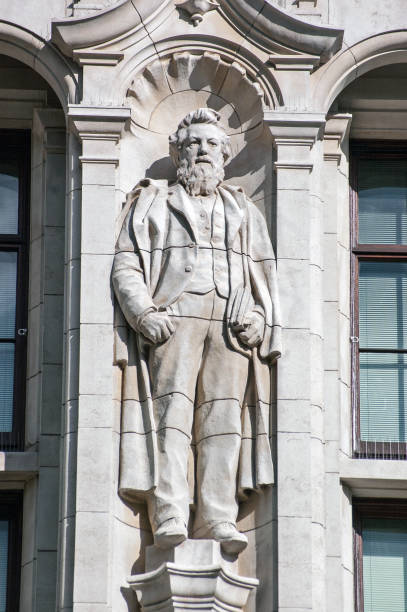
William Morris remains one of the most influential creative minds of the nineteenth century. He was a designer, writer, social thinker, and passionate advocate for a more humane world. His name is often linked with the Arts and Crafts Movement, a cultural shift that reshaped the way people viewed craftsmanship, beauty, and the value of everyday objects. Yet Morris was far more than a designer of exquisite textiles and wallpapers. He was a political idealist who believed that art and society were deeply connected. To him, the beauty found in handcrafted work was inseparable from the dignity of the people who created it.
This article offers a complete exploration of William Morris, highlighting both his artistic contributions and his political influence. It presents his life and ideas in a friendly and accessible way while respecting the depth and complexity that shaped his legacy.
A Life Shaped by Beauty and Idealism
William Morris was born in England in 1834. From a young age, he showed a fascination with medieval stories, handcrafted objects, and natural landscapes. His interest in craftsmanship was not a simple childhood preference. It was part of a deeper belief that beauty, creativity, and human connection were essential parts of life.
As he grew older, his passion for art blended with a strong commitment to improving society. He viewed creativity as a human right rather than a luxury. He believed every person deserved meaningful work and surroundings that inspired happiness. These ideas defined nearly everything he later created.
Morris studied at Oxford University, where he met friends who shared his love of art and literature. Together, they explored architecture, poetry, and medieval history. These interests shaped Morris’s early career, guiding him toward design and eventually political activism.
The Birth of the Arts and Crafts Philosophy
The industrial revolution changed the world in ways that both amazed and troubled Morris. Factories replaced skilled workers, and mass produced goods filled the market. Although these items were often affordable, they lacked the quality and beauty of handcrafted design. Morris saw this shift as a loss. He believed that the division between designer and maker weakened the human spirit.
This belief led him to form the Arts and Crafts Movement. The movement encouraged a return to craftsmanship, natural materials, and thoughtful design. It promoted the idea that useful objects should be beautiful and that beauty should be available to everyone, not only the wealthy.
Morris demonstrated this philosophy through his own work. He designed textiles and wallpapers inspired by nature, with flowing vines, flowers, and organic patterns. His designs were not simply decorative. They expressed harmony, balance, and love for the natural world. These qualities made his work timeless.
He also founded Morris and Company, a firm dedicated to producing handcrafted furniture, fabrics, and interior decor. Every item created under his guidance reflected his respect for tradition and his belief in the importance of human creativity.
Morris as a Writer and Storyteller
Although many people know Morris for his design work, he was also a gifted writer. He wrote poetry, fiction, and essays that explored themes of beauty, morality, and social responsibility. His interest in medieval literature inspired him to create stories that celebrated adventure, craftsmanship, and community values.
Morris believed literature should nourish the imagination and encourage people to think critically about society. His writing carried the same philosophy that shaped his design work. He saw storytelling as a way to bridge the past and the present and to inspire people to dream of a better future.
The Political Awakening of William Morris
As Morris grew older, he became increasingly aware of the social issues of his time. He watched workers labor under difficult conditions in crowded factories, producing goods they could never afford to own. He felt a strong sense of injustice when he saw how industrialization affected communities, landscapes, and cultural values.
Morris joined political organizations and spoke at public events. His speeches combined moral conviction with clear reasoning. He described how unequal systems harmed both the workers and the broader culture. He believed that meaningful work created joy and dignity, and that society should reflect these values.
His political views were an extension of his artistic philosophy. In his mind, good design could not be separated from good society. Both required respect for human skill, creativity, and well being.

The Connection Between Morris’s Art and Politics
Morris’s art and political beliefs were not independent ideas. They were deeply intertwined. He believed the beauty of an object reflected the care and integrity of its creation. When work became mechanical and repetitive, creativity faded. Workers suffered and so did society.
His designs celebrated nature, balance, and harmony. His political ideas celebrated fairness, cooperation, and humanity. Both perspectives shared a belief in the value of human experience. To Morris, the world could not be improved by technology alone. It needed moral imagination and a renewed respect for craftsmanship.
He also spoke about the relationship between art and everyday life. He believed beauty should not exist only in museums or private homes. It should be part of daily living. This belief influenced his approach to wallpaper, textiles, furniture, and architecture. Everything he designed was created to enrich the environment in which people lived.
Morris and the Medieval Inspiration
Morris drew great inspiration from medieval art and society. He believed the medieval period represented a time when craftsmanship and community values were stronger. Although he did not idealize everything about the era, he admired how artisans worked with care and pride, and how art was integrated into every corner of life.
This admiration influenced his design patterns, his architectural interests, and even his political ideas. He saw the medieval guild system as an example of how skilled workers could collaborate without exploitation. This model shaped his vision of a society where labor was meaningful and creativity flourished.
His love for medieval aesthetics also contributed to the revival of Gothic architecture in Victorian England. Morris believed this style expressed honesty, strength, and artistic integrity.
The Beauty of Morris’s Design Legacy
William Morris created some of the most recognizable patterns in the history of design. His botanical motifs continue to appear in modern textiles, wallpapers, and fashion. Designers today admire his ability to transform natural forms into decorative patterns that feel both classic and contemporary.
Some of his most famous designs include:
-
Strawberry Thief
-
Willow Bough
-
Tree of Life
-
Pimpernel
-
Jasmine
Each pattern carries a sense of rhythm and movement. Every curve is carefully considered. These qualities give Morris’s work an enduring charm that continues to inspire artisans and designers.
Modern interior designers appreciate Morris’s belief that homes should be havens of comfort and beauty. His influence can be seen in a renewed interest in craftsmanship, vintage decor, and nature inspired design.
Morris’s Impact on Political Thought
Although Morris is often remembered for his artistic achievements, his political contributions were equally significant. He helped shape the early socialist movement in Britain and laid the foundation for modern discussions about labor, equality, and quality of life.
Morris believed that social change required imagination. He argued that society should not simply eliminate injustice but should replace it with something better. His writings on socialism encouraged people to envision a future defined by creativity, cooperation, and communal well being.
He produced essays and lectures that examined the relationship between work and happiness. He believed that when work becomes meaningful, people thrive. His arguments continue to influence political discussions about labor rights, sustainability, and the balance between work and life.
Influence on Modern Sustainability Movements
The ideas Morris expressed more than a century ago are now part of global conversations about sustainability, ethical production, and environmental awareness. He believed that the world should value quality over quantity and that objects should be made to last. This idea challenges the modern culture of disposability.
Morris also emphasized the importance of natural materials and ecological balance. His patterns celebrated nature, and his political views supported a lifestyle that respected the environment.
Modern sustainability advocates often cite Morris as an early thinker who understood the importance of ethical production and environmental responsibility.
Morris’s Printing Press and Revival of Craft Traditions
Later in life, Morris founded the Kelmscott Press, a project that revived traditional printing methods. He believed that books should be designed with the same care and beauty found in medieval manuscripts. The Kelmscott Press produced some of the most exquisite books of the nineteenth century.
His printed works demonstrated his dedication to quality craftsmanship. Every element of the book, from the typography to the illustrations, reflected his belief in artistic integrity. These books became treasured objects and inspired future generations of designers and craftsmen.
The Lasting Influence of William Morris
Today, William Morris is remembered as a visionary who united art, craft, and social responsibility. His influence is visible in many fields.
In design
His patterns remain popular in interior design, textiles, and fashion. His principles still guide modern craftspeople.
In architecture
His interest in Gothic Revival design shaped architectural movements across Europe.
In politics
His writings continue to influence discussions about labor, creativity, and social justice.
In sustainability
His philosophy supports modern efforts to create a more ethical and environmentally conscious world.
In education
Artists and designers study his work as an example of how creativity can blend with social values.
His legacy is not limited to a specific field. It spans art, design, politics, literature, and philosophy.
Final Thoughts
William Morris remains one of the most remarkable figures in modern cultural history. His work demonstrates that beauty and justice are not separate ideas. They are interconnected parts of a fulfilling and meaningful life. He believed that society should nurture creativity, value craftsmanship, and support the well being of every individual.
His designs continue to bring comfort and inspiration to homes around the world. His political ideas continue to shape conversations about fairness, labor, and the purpose of work. His belief in the power of imagination continues to inspire people to think deeply about how society can evolve.
William Morris’s legacy is both artistic and moral. He transformed the way people understand beauty and challenged society to think about the true meaning of a well lived life. His influence remains strong because his ideas capture something timeless, something human, and something profoundly hopeful.