Introduction
The term chinoiserie refers to a Western decorative-arts and design style that evokes Chinese (and more broadly East Asian) motifs, themes, and techniques. Although it is rooted in European imagination rather than strictly in Chinese craftsmanship, it played a major role in art, architecture, interior design, and taste from the 17th through the 18th century. This article explores what chinoiserie is, how it emerged, its key characteristics, its major historical phases, how it remains relevant today, and how you can use it in modern décor.
What is chinoiserie?
The word “chinoiserie” comes from the French chinois, meaning “Chinese,” and the suffix -erie, implying a style or set of objects. merriam-webster.com+2Collins Dictionary+2
In essence, chinoiserie is:
-
A style of ornamentation in decorative or fine arts, reflecting Chinese-influenced motifs.
-
An object or objects decorated in that style—such as furniture, porcelain, wallpaper, garden pavilions. Collins Dictionary+1
-
A European reinterpretation (rather than a strict replication) of East Asian aesthetics—thus often capturing a fantasy or idealised version of “the East” as seen by Western eyes.
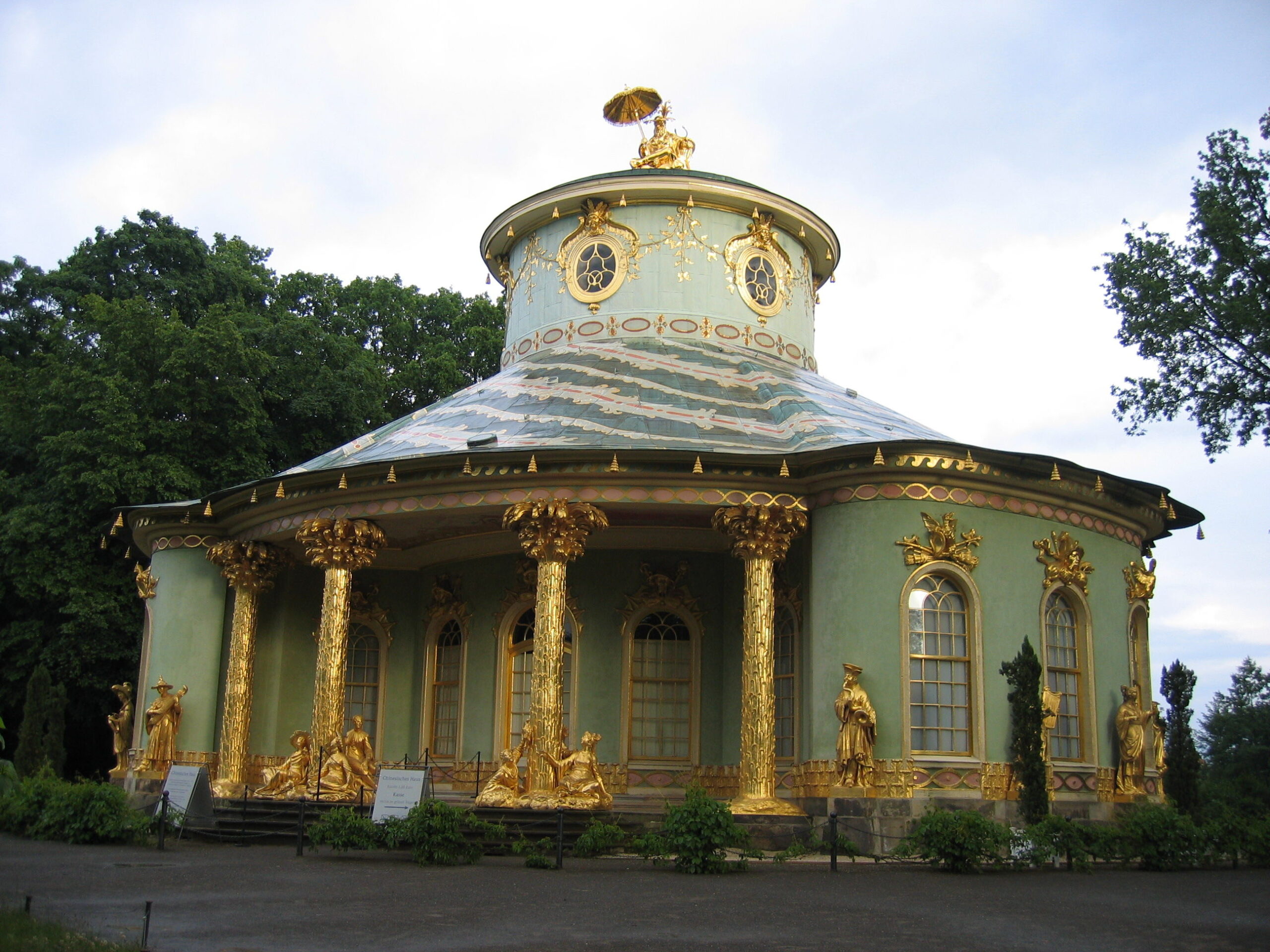
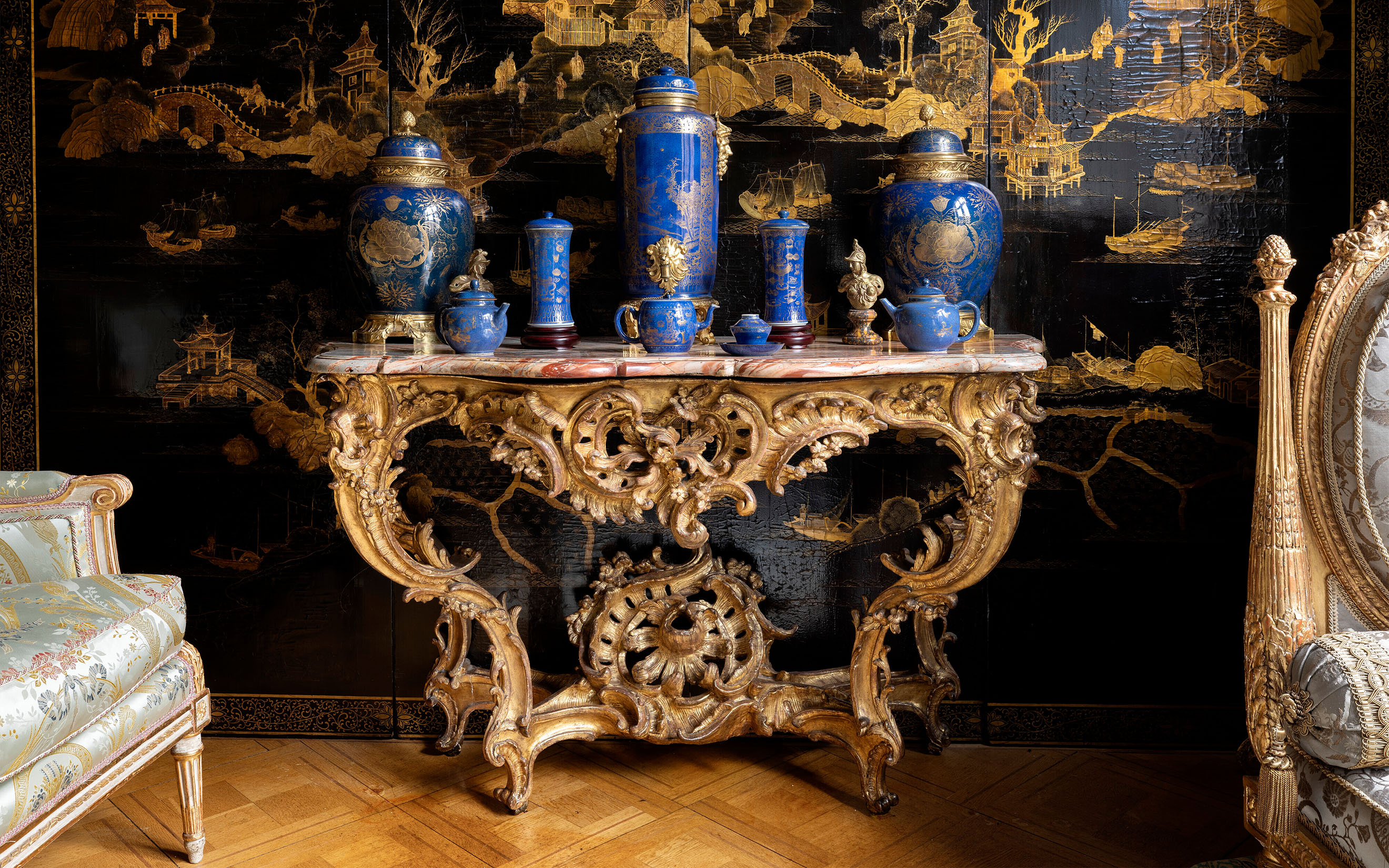
To put it simply: when you see lacquered furniture with pagodas, chinoiserie wallpapers with stylised birds and branches, or European garden pavilions shaped like Chinese tea houses, you’re looking at chinoiserie.
Historical Origins & Development
Early Beginnings (17th Century)
Chinoiserie emerged in Europe in the mid- to late-17th century. European trade with China and other parts of East Asia brought porcelain, lacquerware, textiles, and other “exotic” imports into the European market. Craftsmen and designers began to draw on those imported goods for inspiration.
The earliest major instance cited is the Trianon de Porcelaine (1670-71) at Versailles, built for Louis XIV and decorated with Chinese-style decoration—even though it was soon demolished. Encyclopedia Britannica
Height of Popularity (18th Century)
The 18th century is the period most associated with chinoiserie. It tied in nicely with the Rococo movement’s love of asymmetry, lavish decoration, and stylised nature. Europeans fancied a romantic, exotic version of Chinese art—tea sets, lacquer panels, whimsical figures.
It spread across interior design, furniture, ceramics, gardens and more. Many palaces and aristocratic homes included “Chinese rooms” or pavilion structures designed in a China-inspired way.
Decline and Revival
After the 18th century the craze faded somewhat, as other “Oriental” styles and new tastes emerged. But there have been revivals in later centuries, including in the 19th century and even into modern design.
Key Characteristics of Chinoiserie
When you identify chinoiserie in a piece, there are certain tell-tale features to look out for:
-
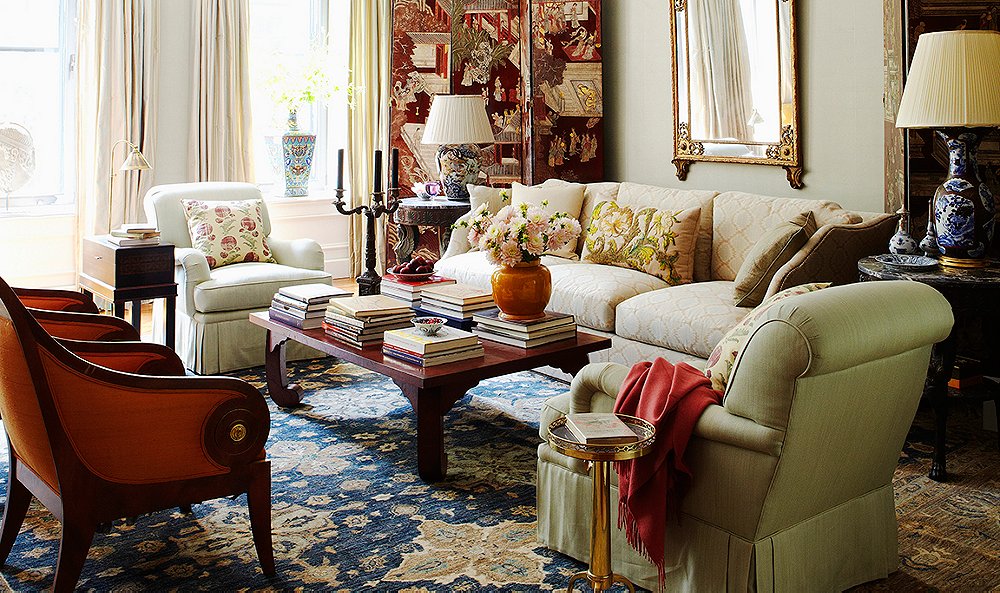
Use of Chinese or East Asian motifs: pagodas, dragons, stylised flora (like peonies, bamboo), exotic birds, bridges, water features. Wikipedia
-
Lacquered surfaces, use of gilt, mirror finishes, rich materials.
-
Wallpapers and textiles with scenes of Chinese figures or landscapes imagined by Europeans.
-
Garden architecture that mimics Chinese pavilions, tea houses, curved roofs set in European landscapes.
-
A sense of the exotic, leisure and playfulness. The style often emphasises decorative pleasure rather than strict adherence to Chinese traditions. Nottingham ePrints
Why It Matters: Cultural and Artistic Significance
Aesthetic Fusion
Chinoiserie represents one of the earliest large-scale aesthetic fusions between East and West. It tells us about how European tastes were shaped by what came from and what was imagined of China and East Asia.
Social & Symbolic Meaning
For European elites, decorating with chinoiserie symbolised sophistication, cosmopolitan taste and access to international goods. It was a way to show off wealth, curiosity and the “exotic.”
Influence on Design History
The ripple effects of chinoiserie extend into modern design: wallpaper patterns, furniture details, interior design schemes continue to draw on its motifs.
Contemporary Relevance and Critique
Today chinoiserie is both embraced and critiqued. On one hand, designers use chinoiserie motifs in bold and modern ways. On the other hand, the historical context raises questions about cultural appropriation, exoticism and how the “East” was represented by the “West.” Some contemporary exhibitions revisit and examine that legacy. Financial Times
Chinoiserie in Modern Interior Design
If you’re thinking of incorporating chinoiserie into a modern home, here are some tips:
-
Choose a key piece: a lacquer-finished console, a wallpaper with stylised birds and branches, or a bamboo-inspired side table.
-
Use colour wisely: traditional chinoiserie often uses rich colours such as cobalt blue, jade green, gold accents. But in a modern space you could tone it down and let one piece shine.
-
Blend with neutral surroundings: let the chinoiserie element be the focal point, and balance with simple, minimalist furniture to prevent visual overload.
-
Consider patterns and textures: chinoiserie wallpaper or fabrics can provide visual interest behind sleek modern furnishings.
-
Be mindful of context: apply the style with awareness of its origins and historical context—celebrate the beauty and cross-cultural exchange rather than past exoticism.
Challenges and Considerations
While chinoiserie offers rich aesthetic possibilities, there are important things to keep in mind:
-
Overuse or a “theme room” can verge into costume-like décor. Balance is key.
-
Historical context: understanding that many chinoiserie pieces were European reinterpretations of Chinese styles helps avoid misunderstanding or misapplication.
-
Cultural sensitivity: In today’s global design conversation it is valuable to be aware of how styles rooted in cross-cultural interactions carry both beauty and complexity.
-
Authenticity vs. stylized fantasy: Chinoiserie is not a documentary reproduction of Chinese design—it is a stylized, often fanciful version. That’s part of its charm but also part of its limitation.
Summary
Chinoiserie remains a fascinating and elegant design style that bridges East and West. Originating in European fascination with Chinese objects and aesthetics, it flourished in the 17th and 18th centuries and continues to live on in interiors, furniture and décor. With its intricate motifs, lacquer surfaces, garden pavilions and playful interpretations of “the exotic,” chinoiserie speaks to aesthetic curiosity and global taste. Today, incorporating chinoiserie into your space offers both beauty and a conversation about design history and cultural exchange.