Ball bearings may be small components, yet they play one of the most essential roles in modern engineering and technology. They exist inside nearly every machine that moves, rotates, or carries a load. Their presence often goes unnoticed because they quietly perform their function with incredible precision. Without them, many of the mechanical and digital innovations that define the modern world would not exist in their current form.
This article explores the significance of ball bearings in contemporary engineering. It explains how they work, why they matter, and how they support the design of the devices and systems that keep our world turning. Whether you are an enthusiast, a student of engineering, or simply curious about a technology that makes modern life possible, you will find a clear and friendly guide here.
The Essential Role of Ball Bearings in Modern Technology
Ball bearings reduce friction and allow smooth movement between two surfaces. This simple concept has profound implications. When friction is lowered, machines operate more efficiently. They consume less energy, move faster, and last longer. This is why ball bearings are central to modern engineering systems.
Today, they are found in everything from smartphones to electric vehicles. They help robots move with accuracy. They support the rotation of wind turbines. They enable airplanes to operate safely. They even play a role in the tools surgeons use during delicate procedures.
In many cases, advancements in engineering depend on advancements in bearing design. When machines evolve, their components must evolve as well. Ball bearings have risen to this challenge by becoming smaller, more durable, more efficient, and more adaptable to extreme conditions.
The Science Behind the Technology
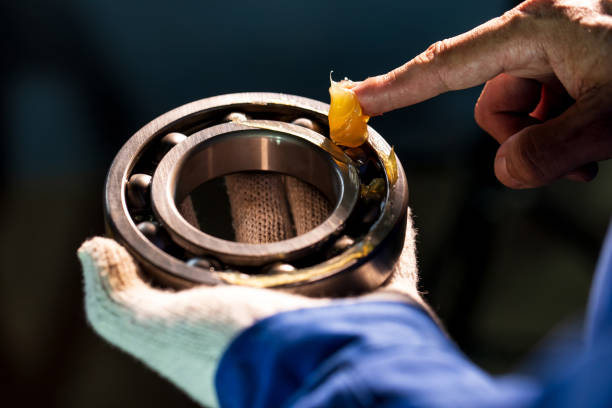
Ball bearings consist of an inner ring, an outer ring, a set of spherical balls, and a cage that keeps the balls spaced evenly. Their design allows for smooth and controlled rotation. When the inner ring moves, the balls carry the load and roll rather than slide. This rolling motion dramatically reduces friction.
The efficiency of a ball bearing depends on several factors. These include the quality of the materials used, the precision of the manufacturing process, the lubrication, and the ability of the bearing to withstand variations in temperature, pressure, and load.
Modern engineering has transformed each of these elements. Materials are now stronger and lighter. Manufacturing processes have become so precise that tolerances can be measured in microns. Lubrication technology has improved to reduce wear and extend the lifespan of bearings. As a result, ball bearings have become more reliable than ever.
Miniaturization and Micromechanical Applications
One of the most impressive trends in engineering is miniaturization. Devices are becoming smaller, lighter, and more efficient. Consider the evolution of consumer electronics. Cameras, smartwatches, drones, and medical sensors rely on compact and highly precise components. Ball bearings have followed this trend by becoming incredibly small without losing strength or efficiency.
Miniature ball bearings are used in:
-
micro motors
-
dental instruments
-
robotic arms
-
precision tools
-
advanced cooling systems
These tiny yet powerful components operate with accuracy and stability that would have seemed impossible only a few decades ago. Their reduced size allows engineers to design products that are lighter, faster, and more portable. As technology continues to shrink, the importance of miniature bearings will only grow.
Ball Bearings in Electric Vehicles
Electric vehicles rely heavily on ball bearings. They help motors operate smoothly. They reduce energy loss during rotation. They support the structural demands of high speed and high torque. Without reliable bearings, electric vehicles would lose efficiency, generate more heat, and potentially face mechanical failure.
Modern electric vehicles use specialized bearings that are designed to:
-
tolerate high rotational speeds
-
resist electrical currents
-
reduce noise and vibration
-
operate in demanding temperature conditions
Ceramic hybrid bearings, which combine steel rings with ceramic balls, are becoming increasingly popular. They offer lower friction and improved resistance to electrical corrosion. This makes them ideal for systems that rely on electric current.
As electric mobility expands worldwide, advanced bearing technology will remain a core part of innovation.
Aerospace Engineering and High Performance Bearings
Few industries demand as much precision and reliability as aerospace engineering. Aircraft rely on bearings to support flight control systems, landing gear, turbine engines, navigation equipment, and auxiliary systems. These components must perform under extreme stress. They encounter high temperatures, rapid changes in pressure, and intense mechanical loads.
To meet these demands, aerospace bearings are engineered from advanced alloys and ceramic materials. They undergo rigorous testing to ensure they meet strict safety standards. Their design prioritizes reliability above all else.
The future of aerospace technology will bring new challenges. As aircraft aim to become more fuel efficient and environmentally conscious, they will require bearings that support lighter and more aerodynamic designs. The capacity of bearings to operate in extreme environments positions them as critical components in the future of aviation.

Industrial Automation and Robotics
Automation is transforming manufacturing. Robots now perform tasks that once required human hands. Their precision, speed, and efficiency rely heavily on ball bearings. Nearly every joint, pivot point, and rotating axis of a robot contains bearings that allow smooth and controlled movement.
Ball bearings in robotics must meet specific requirements. They need to withstand repetitive motion without losing accuracy. They must operate quietly. They must be capable of supporting both radial and axial loads. They should also perform consistently for long periods without maintenance.
Modern factories depend on robotic systems that work around the clock. This continuous operation would not be possible without bearings engineered for durability and resilience. As robotics expands into new industries, such as healthcare, agriculture, and logistics, bearing technology will continue to adapt and evolve.
Renewable Energy and Sustainable Engineering
The future of engineering is increasingly tied to sustainable energy. Wind turbines, solar tracking systems, and hydroelectric generators all rely on mechanical components that must function reliably for years, often in harsh environments.
Wind turbines are a clear example. Each turbine contains several large bearings that support the blades as they rotate. These bearings must tolerate fluctuating loads, strong wind pressure, and continual motion. They must also withstand exposure to rain, humidity, and temperature changes.
Improved bearing technology contributes to:
-
lower maintenance costs
-
longer turbine life
-
increased energy output
-
reduced downtime
Sustainable engineering depends on components that are efficient and reliable. Ball bearings meet these needs by supporting systems that deliver clean and renewable energy.
High Speed Technology and Advanced Performance
The efficiency and stability of high speed systems depend on bearings that can handle rapid rotation without overheating or losing structural integrity. These systems include:
-
high speed drills
-
turbochargers
-
gyroscopes
-
industrial grinders
-
cooling fans for advanced electronics
Ball bearings in these applications must strike a balance between strength and low friction. They are often built with specialized materials that resist wear and maintain stability at high speeds. Precision machining ensures that the balls and rings fit perfectly, allowing for smooth rotation without vibration.
The ability to handle high speeds reflects the extraordinary progress made in bearing engineering over the past century.
Materials That Shape Modern Bearings
Modern ball bearings can be made from several materials. Each offers unique advantages that allow engineers to match the bearing to the needs of a specific application.
Steel
Traditional chromium steel remains one of the most widely used materials because it combines strength, durability, and cost efficiency.
Stainless steel
This material offers improved resistance to corrosion, making it ideal for environments that involve moisture or chemicals.
Ceramic
Ceramic bearings have become more common in high tech applications. They offer reduced friction, lower heat generation, and increased speed capacity.
Hybrid combinations
Some bearings use steel rings with ceramic balls. This combination provides excellent performance in electric motors and high speed systems.
The evolution of materials reflects the increasing demands of modern engineering.
Lubrication and the Lifespan of Bearings
Proper lubrication is essential for the performance and longevity of ball bearings. Lubricants reduce friction, dissipate heat, and protect the bearing from contamination.
Modern lubrication technologies include:
-
synthetic oils
-
high viscosity greases
-
solid film lubricants for extreme conditions
-
dry lubricants for clean room environments
Some bearings are sealed and pre lubricated at the factory. Others require regular maintenance. Engineers choose the lubrication method based on temperature, speed, and load. The right choice can extend the lifespan of a bearing by years.
Smart Bearings and Digital Monitoring
Technology is advancing beyond traditional mechanical design. Smart bearings equipped with sensors are becoming increasingly common. These sensors can monitor:
-
temperature
-
vibration
-
load distribution
-
rotational speed
-
lubrication levels
The data they collect helps engineers predict maintenance needs and prevent equipment failures. This approach, known as predictive maintenance, improves safety and reduces operational costs.
Smart bearings represent an exciting step toward integrating mechanical systems with digital intelligence.

Future Trends in Bearing Technology
The future of ball bearings in modern engineering is shaped by several key trends:
-
continued miniaturization
-
integration with digital monitoring systems
-
increased use of ceramic and hybrid materials
-
higher energy efficiency
-
improved resistance to corrosion and extreme conditions
-
eco friendly lubricants
-
new designs for electric mobility and renewable energy
As machines become faster, lighter, and more intelligent, bearings must evolve in harmony with the technology they support.
Final Thoughts
Ball bearings play a vital role in modern engineering and technology. They make movement efficient, reliable, and precise. They support the performance of vehicles, aircraft, robots, renewable energy systems, and countless everyday devices. Although small and often hidden, they make modern life possible.
Their evolution reflects the progress of engineering itself. Stronger materials, advanced manufacturing methods, improved lubrication, and digital monitoring have transformed a simple mechanical idea into one of the most important components of the technological era.
The future of engineering will continue to rely on ball bearings. As humans reach for greater efficiency, cleaner energy, smarter machines, and more interconnected systems, these tiny spheres of precision will remain essential to innovation.