
When you watch a film like The Emperor’s New Groove, you may chuckle at its witty dialogue, marvel at its vibrant animation, or root for its unlikely duo. But behind the scenes—and behind the voices—is a cast of talented performers who bring those characters to life. In this article we’ll explore the principal cast of The Emperor’s New Groove, what they contributed to the film, and how their performances helped shape a beloved animated comedy.
The Film in Brief
Released in 2000 by Walt Disney Pictures, The Emperor’s New Groove marks a departure from Disney’s typical musical-epic style. Wikipedia+1 It’s set in an Inca-inspired empire and follows the self-centered Emperor Kuzco, who gets turned into a llama, teams up with a humble villager Pacha, and embarks on a wild journey of redemption. The film’s tone is irreverent, fast-paced, and comedic rather than solemn and operatic.
With that tone in mind, let’s meet the standout voices who helped carry it.
David Spade as Emperor Kuzco
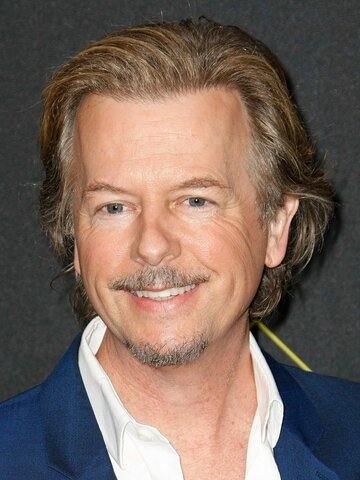

One of the key casting choices in The Emperor’s New Groove is David Spade as Emperor Kuzco.
Kuzco begins as an arrogant, spoiled young emperor—privileged, oblivious to others’ needs, and irritatingly self-absorbed. Spade’s voice work amplifies that with comedic timing, sarcasm, and a tone that feels both self-entitled and yet oddly endearing. His delivery helps the audience understand that this character needs growth—and indeed he does.
What’s notable about Spade’s performance is that he takes a character who could have been unlikable and makes him fun to watch. The humor is clear in many of the scenes. But by the end of the film, thanks to his interactions, you believe the change. That transformation is central to the story.
John Goodman as Pacha


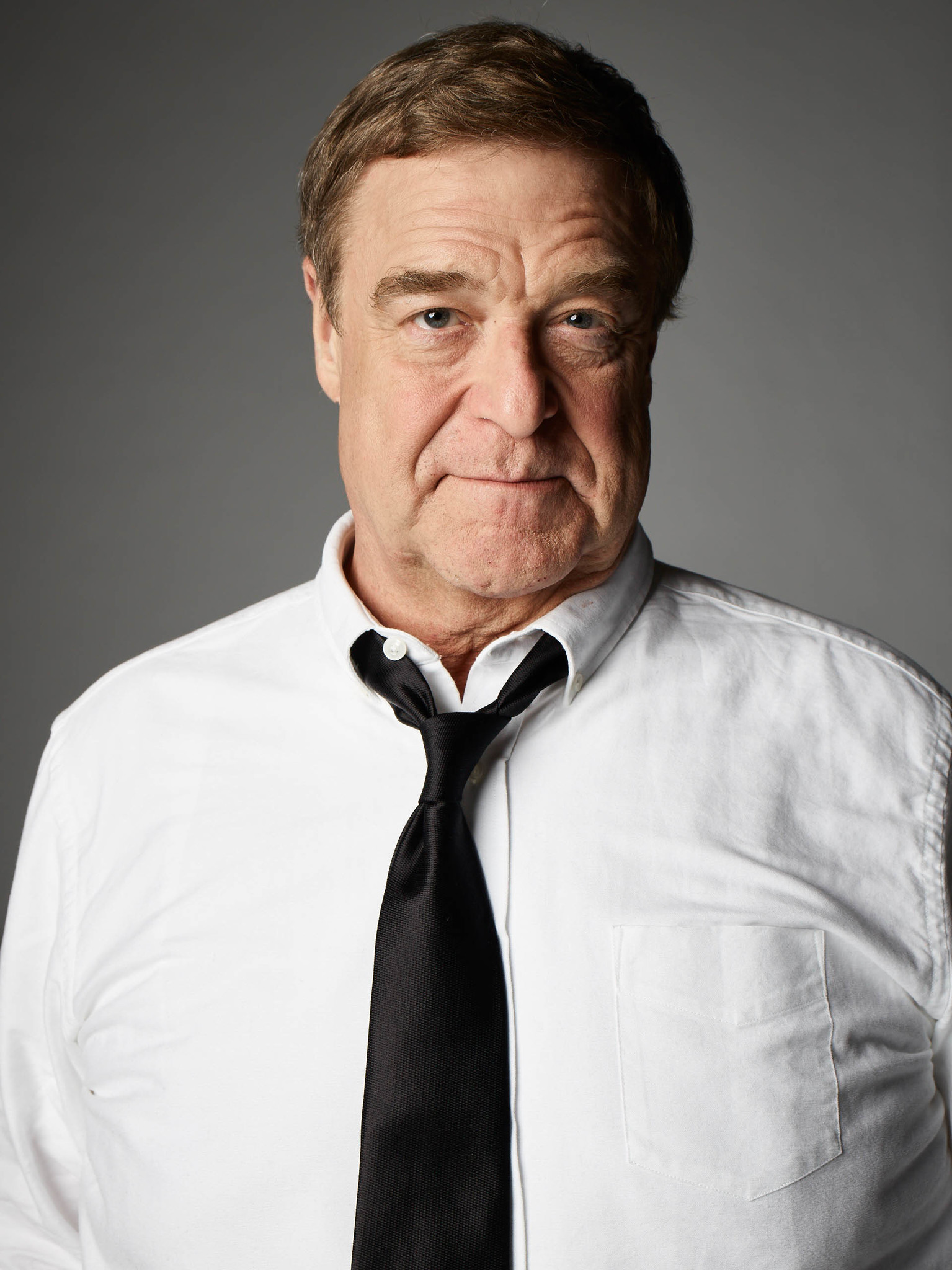
Another major pillar in the film is John Goodman, who voices Pacha.
Pacha is a modest, kind-hearted village leader whose home is threatened when Kuzco decides he wants to build his enormous summer palace on Pacha’s land. This sets up the central conflict—and ultimately the alliance—between Kuzco and Pacha. Goodman brings warmth, groundedness, and a sense of sincerity to the part. While Kuzco is flashy and flamboyant, Pacha is the grounded figure who reminds us of compassion, community, family.
Goodman’s voice work anchors the film emotionally. He gives Pacha a genuine presence, so when the journey gets chaotic and comedic, you still care about where Pacha is coming from. That contrast between the two leads is part of the film’s charm.
Eartha Kitt as Yzma

Villains often steal the show in comedies—and in this film, the villain is Eartha Kitt as Yzma.
Yzma is a scheming, over-the-top advisor who wants to oust Kuzco, take power, and use a potion to do so. The comedic tone of Yzma is elevated by Kitt’s voice: she is sly, sharp, theatrical. Her delivery is perfect for a character who is constantly frustrated, bubbling with ambition, and yet laughably inept in parts.
Kitt’s performance brings both menace and humor. Yzma evokes cartoonish villainy rather than serious evil, which fits the film’s spirit. The result is a memorable antagonist who is fun to watch even as you root against her plan.
Patrick Warburton as Kronk

The comedic sidekick is one of the most beloved characters from the film: Patrick Warburton as Kronk.
Kronk is Yzma’s henchman—strong, dim-witted, kind-hearted, and hilarious. Warburton’s deep voice and comedic inflections give Kronk a unique flavor: he is physically imposing yet gentle, clueless yet lovable. There are few characters who walk the line between villainy and endearment so neatly.
What makes Kronk special is that he is not purely evil. His quirks—his cooking, his childlike loyalty, his existence as Yzma’s assistant despite the chaos—give him depth. Warburton balances that. The result is a side character who often steals scenes, and indeed has his own spinoff later.
Wendie Malick as Chicha


Rounding out the primary cast is Wendie Malick as Chicha, Pacha’s wife. Wikipedia+1
Though Chicha has less screen time compared to the others, her role is important. She grounds Pacha’s family life. Her witty remarks, her maternal presence, and the humor she adds to the home scenes enrich the world of the film. Malick brings a steady, warm presence that supports the comedic chaos around her.
When films have strong supporting cast voices like this, it gives the world texture. You believe the family dynamic, you feel the stakes for Pacha’s home. Chicha’s voice contributes to that.
The Ensemble and Additional Voices
Beyond these five central voices, The Emperor’s New Groove includes a broad ensemble of supporting voices and additional characters.
For example Kellyann Kelso and Eli Russell Linnetz voice Chacha and Tipo, the children of Pacha and Chicha. Additional voices for villagers, guards, animals, and comedic side-gags fill out the world and add richness to the animation. In animated films the supporting voices frequently stay under the radar but they are vital to the overall feel.
Why This Cast Works So Well
There are a number of reasons the cast of The Emperor’s New Groove succeeds in elevating the film’s narrative and humor.
1. Casting for tone and style. Because the film shifted toward a more comedic, irreverent style during production, the voice casting reflects that. The leads are strong in comedy: Spade, Goodman, Warburton, Malick, and Kitt all have backgrounds or presence that lend to humor.
2. Clear character contrast. Kuzco vs Pacha; Yzma vs Kronk; ambition vs humility. The voice tonalities reflect these contrasts. For example Spade’s snarky voice for Kuzco contrasts with Goodman’s warm and steady tone for Pacha.
3. Memorable character identities. Each voice is distinctive enough to make the character instantly recognisable. When Yzma speaks you know it’s her; when Kronk appears you know his comedic flavour. This clarity helps audiences engage and root for or against characters.
4. Supporting voices enhance the world. Even though the lead voices get much of the praise, the supporting players add layers. The children, the villagers, the guards—they all contribute to the feeling that this world is alive.
5. Performance supports story arc. Since the film is about change—Kuzco’s transformation from selfish emperor to relatively humble ally—the voice work supports that arc. Spade shifts slightly as Kuzco evolves, Goodman remains the emotional anchor, etc.
A Closer Look at Key Scenes & Performances
Let’s highlight a few moments where the cast’s work stands out.
Kuzco’s intros and asides. From the opening narration the tone is established: witty, self-aware, over-the-top. Spade’s delivery gives Kuzco a voice that breaks the fourth wall and delights in himself, making his eventual humility all the more meaningful.
Pacha and family early on. In early scenes we see Pacha’s relationship with his family and his simple life. Goodman and Malick help make that feel grounded, so when Pacha’s home is threatened it matters.
Yzma’s lab explosion and Kronk’s dilemma. Scenes in Yzma’s secret lab, or when Kronk is torn between good and bad, highlight the comedic dynamic between Kitt and Warburton. You sense Yzma’s frustration and Kronk’s goofy conflict—voice performance is key.
The mountain scene and heart-to-heart. Towards the film’s end, when Kuzco is hanging off a cliff, he chooses to save Pacha rather than himself. Goodman’s tone, combined with Spade’s slightly changed delivery, make that moment credible and emotionally satisfying.
The final resolution. The voices carry the shift. Kuzco’s tone is different, less self-centered. Pacha’s steady presence remains. The comedic voices remain lively. The resolution feels earned because the voice work underwrites it.
Legacy and Voice Cast Extensions
The success and uniqueness of The Emperor’s New Groove gave rise to further media in the same franchise.
There’s a direct-to-video sequel, Kronk’s New Groove (2005) which focuses on Kronk, and a TV series The Emperor’s New School (2006–2008). In those expansions many voice actors returned, though some leads did not always continue. For example, the dynamics of the cast shifted accordingly. The fact that Kronk got his own film highlights just how impactful Warburton’s voice work was.
Additionally the voice actors’ reputations and careers benefitted. Many fans associate the vocal tones with the characters years later. That kind of lasting association is a hallmark of great animated voice casting.
What We Can Learn from the Casting Choices
If you are interested in animation, storytelling or voice performance these are a few take-aways from this film’s cast:
-
Matching tone to story matters. A comedic, light-hearted script calls for voices that can deliver comedy and timing—not just generic voices.
-
Clear character distinctions through voice help the audience follow who is who and what they stand for.
-
Supporting voices are not secondary. They provide world-building, texture, and depth.
-
Voice performances can carry emotional arcs just as much as physical animation. When the voice reflects character growth, the audience believes that growth.
-
Having standout characters with memorable voices (like Kronk) can extend the life and franchise potential of the film.
Final Thoughts
The cast of The Emperor’s New Groove is more than a list of names. It is a carefully assembled ensemble whose talents align with a film’s tone, story, and purpose. David Spade as Kuzco, John Goodman as Pacha, Eartha Kitt as Yzma, Patrick Warburton as Kronk and Wendie Malick as Chicha—each plays a key role in bringing the story to life. Their performances enable the film to be funny, warm, quirky and memorable.
When you watch the film next time you might pause to recognise not only the animation or the visual gags but the voice behind the laugh, the voice behind the emotion, the voice that makes you care about a llama-turned-emperor and his journey.
The movie may have been a departure for Disney at the time but the casting remains a high point. It demonstrates that when voices align with story and character, the result is both entertaining and enduring. If you love The Emperor’s New Groove, give some credit to the talented voices who brought these characters to life.