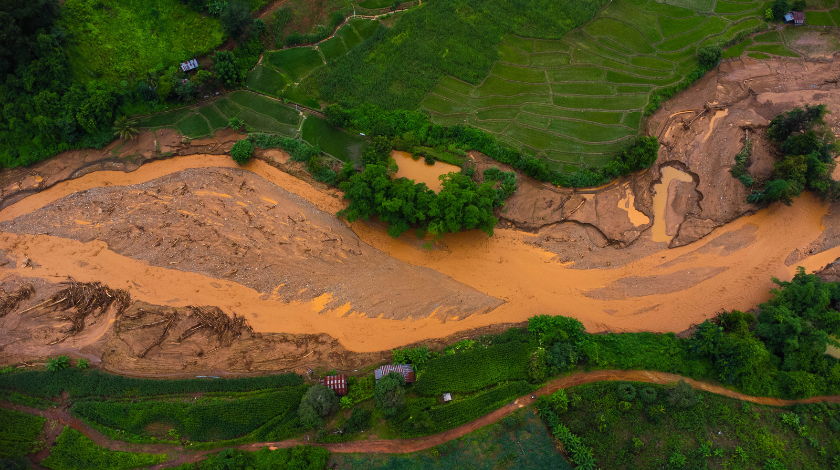
When I first heard about the riverbank collapse at Iford Playing Fields, I felt a mix of shock and sadness. Here’s a place many of us use for a stroll, to let kids run free, to take in the river view, and suddenly part of its edge gives way. It reminds us how vulnerable our green spaces can be and how important it is to maintain them. In this article I’ll walk you through what happened, why it matters, how people are responding, and where we go from here. I’ll share what I’ve learned and what you can watch out for. My hope is to build a clear picture—not jargon, not hype—but friendly, real talk for anyone who cares about this community site.
Setting the scene: Iford Playing Fields and its role
Iford Playing Fields is a well-used recreational green space, located by the river (for many locals it’s a go-to place for walking the dog, playing with children, or simply relaxing beside water). It features open grass areas, a riverside path, perhaps picnic spots and nature views. Because it sits next to the riverbank, the edge of the bank is part of its character—both beautiful and sensitive. Whether one visits often or just occasionally, you feel the connection: green open space, running water, trees, fresh air.
Lots of us take such places for granted. They seem “safe” because they’ve always been there. But when a collapse happens, it’s a reminder that nature and infrastructure both need care. The fact that this happened at Iford Playing Fields means we all have a stake in understanding it—because if it can happen here, it might happen somewhere else too.
The collapse: what happened, when and where
From the information available, the collapse was sudden. Some people reported hearing cracking or snapping noises, seeing ground give way and large chunks of bank falling into the river. One source indicates the collapse occurred early morning in mid-October (though the exact year and details are not fully confirmed).
Witness accounts mention that the part of the bank involved had been under stress for some time: small fissures, slight slumping, maybe loosening of the soil. But because nothing major had yet occurred, it may have been ignored or underestimated. Then heavy rain or rising river levels likely pushed the bank past its tipping point.
The location is along a pathway near the river’s edge, a zone used by walkers and joggers every day. The fact that this path is used means the risk isn’t just theoretical—it directly affects people. The collapse rendered parts of the field inaccessible, raised safety concerns, and triggered an environmental ripple.
Read Also: Mr3juice: How It Works, Is It Safe, and What You Should Know Before Downloading Free Music
What caused it? Exploring erosion, weather, human use
Understanding why this bank collapsed means combining several factors. Here’s a breakdown:
Erosion and water action
A riverbank is constantly subject to water flow, especially during high river levels or floods. The flowing water undercuts the bank, removes material, loosens soil, weakens root support. Over time all of this gradually eats away at the bank’s stability. If there was a period of heavy rain or rapid water-level changes before the collapse, that likely accelerated the process.
Vegetation and root systems
Plants, shrubs and trees along a riverbank serve a key structural role. Their roots anchor the soil, bind it together, absorb water, and reduce surface runoff. If vegetation has been removed or if trees/flooding have caused root death, the bank becomes weaker. One blog suggests vegetation removal may have been a factor.
Soil saturation and ground instability
When the soil becomes overly saturated—after heavy rain, poor drainage or high groundwater—the internal cohesion drops. A saturated bank can slump or slide, especially if it’s already undercut. Soil may become heavy, pushing outwards, and the bank may collapse downward or sideways.
Human activity / infrastructure changes
It’s possible that paths, landscaping, construction or drainage works nearby altered the natural support of the bank. Even small changes may upset how water drains, how load is distributed, or how vegetation grows. The blog article speculates that human activity may have disrupted drainage patterns.
Climate change / extreme weather
While this is a broader factor, changing weather patterns mean more intense storms, heavier rainfall, faster river rises—these increase erosion pressure and risk of collapse. A bank resilient thirty years ago may be less so today.
Putting these together: the bank at Iford likely had been weakening over time, with erosion and vegetation loss, then a trigger event (rain, water level spike) caused the final collapse. Recognising all these causes is important because to prevent future collapse, you must address multiple factors—not just one.
The immediate impact: on park users, wildlife, local homes
When a riverbank collapse happens at a park like Iford Playing Fields, the effects are immediate and visible.
For users of the park
-
A section of the playing fields may be closed off, meaning fewer places to walk, sit, play.
-
Paths near the bank become unsafe, so families may avoid the area, reducing usage.
-
Organised sports or events may be disrupted or relocated.
-
The psychological effect: people may feel less safe, more cautious, or simply worry about whether the park is still as “good” as before.
On wildlife and ecosystem
-
Vegetation that anchored the bank may be lost.
-
Animals that used the bank for access (birds, small mammals) may lose habitat or have to relocate.
-
Soil and debris entering the river affects water quality, may trigger sediment issues downstream.
-
The aesthetic quality of the park changes: less stable bank, more exposed roots or soil, maybe warning tape or barriers.
On nearby homes and property
Although the immediate collapse is in the park, risk can extend to neighbouring properties. If the bank continues to erode, it could threaten structures, fences, gardens adjacent to the park. Insurance concerns may arise. Property values may be impacted if the bank becomes an ongoing hazard.
In the Iford case, the blog notes that “nearby properties experienced increased risk due to erosion and instability near the water’s edge.”
These kinds of effects make it clear: a collapse isn’t only a momentary event—it triggers ripples across many aspects of the local environment and community.
Safety concerns and risks going forward
After the collapse, several safety issues need attention:
Risk of further collapse
The initial failure might have relieved one “weak zone,” but several others might remain. If unchecked, another collapse could occur—wider, deeper, more dangerous.
Access control
Paths near the bank may still seem accessible but could be unstable underneath. Children, pets, casual walkers may wander unknowingly into hazardous zones. Barriers and signage are important. The blog mentions that barriers were erected but they “may not sufficiently deter curious onlookers.”
Water safety and flooding
With part of the bank gone, water flow may change. The river may undercut further, or divert differently, possibly increasing local flood risk. Debris and collapsed soil may reduce river capacity. Also the water quality may be impacted by soil entering the river—raising issues if people use the water nearby.
Liability and community concerns
Local authorities must ensure public safety. If someone is injured, there could be legal or financial consequences. Residents may worry about their own safety or the safety of children. Trust in the local park may be affected.
Long-term structural concerns
If the hillside of the bank is still saturated or weakened, even gentle weather could trigger another slide. Monitoring and engineering are required to assess risk continuing.
As someone who uses green spaces, the risk isn’t abstract. You might walk your dog, children playing near the edge, you might sit near the river. The idea that the ground could give way beneath you makes you more aware of your surroundings. That awareness is good—but the goal is to restore confidence, not create fear.
Response from authorities & community
How those responsible and those affected respond matters as much as the collapse itself. A good response combines swift action, clear communication, technical fix, and community involvement.
Inspection & technical assessment
Experts (geotechnical engineers, environmental agencies) must analyze: soil stability, bank geometry, water flow, vegetation health. The blog article states “geotechnical engineers … analysed soil stability and water flow patterns.” Additionally, local council meetings and updates have been part of the response.
Public communication
Keeping park users informed is key: where the hazard is, which areas are closed, what to expect next. The article notes that updates were shared via social media and town-hall gatherings.
Short-term stabilization
Before the full repair, hazard zones should be made safe: fences, signs, perhaps temporary shore support (logs, sacks, temporary retaining). Protect users from being too close. Remove immediate threat of collapse into river.
Long-term planning and repair
Designing a repair/restoration plan: e.g., planting native deep-rooted vegetation, installing retaining structures (walls, battered slopes, gabions), improving drainage to reduce saturation, re-grassing fields, restoring access paths.
Community involvement
Volunteers, local schools, residents can help with tree planting, monitoring, clean-ups. The blog article describes volunteers offering their time and local businesses sponsoring events. That builds trust, gives a sense of ownership, and spreads awareness.
Funding and policy
Repairing a bank costs money. Authorities must allocate budget, perhaps apply for environmental grants. They may need to revise policies about how parks adjacent to rivers are maintained or monitored in future. This collapse is a wake-up call.
Monitoring & review
Restoration is not “once done and forget.” Long-term monitoring is needed, especially after storms, heavy rain, or unusual river flow, to ensure bank remains safe and stable.
From what I can see in the Iford case, authorities and community appear to be on the job—but the story is still unfolding. The measures taken now will determine how safe and resilient the park is going forward.
Prevention & long-term solutions
Thinking ahead: what can stop something like this from happening again at Iford or elsewhere? Here are some key elements:
Vegetation renewal and management
Planting deep-root shrubs and trees along the riverbank helps anchor soil. Encouraging a buffer of natural vegetation rather than bare soil near edges. Regular maintenance of roots and removal of invasive or dying plants.
Engineering reinforcement
In areas of severe erosion, installing structures like retaining walls, rocks, gabion baskets (wire cages filled with rock), or terracing the bank to reduce slope. These must be designed with environmental sensitivity.
Improved drainage and water management
Ensure rainwater from the park or surrounding land doesn’t pool near the bank slope. Redirect surface runoff away from vulnerable zones. Consider rain gardens or permeable surfaces that reduce runoff speed.
Monitoring systems and early warning
Putting in place sensors or regular inspections to detect movement, cracks, slumps, or unusual saturation levels. Public awareness: if you see fissures, sagging ground, unusual water flows—report them.
Community education and engagement
Teaching local residents about erosion, showing them what warning signs to look for. Organising planting days, clean-ups, awareness campaigns. When people feel invested, they help protect the space.
Policy and planning
Local authorities should integrate riverbank stability into park planning. Regular budget for maintenance, risk assessments, and safe access zones. Considering climate effects (more storms, heavier rainfall) when planning future use of riverside parks.
Adaptive reuse of space
In some cases, allowing portions of a riverside park to revert to more natural, less intensively used zones (e.g., buffer forest) may reduce stress on the bank and offer ecological benefits.
For Iford Playing Fields, a mix of these solutions will help make the bank safe again and keep the park functioning as a public space. Knowing all this gives me more confidence that the collapse is serious, but fixable—with the right work.
Larger picture: riverbank collapse issues across the UK
While the Iford case is local, the problem is not unique. Across the UK, many riverbanks face similar threats: erosion, higher rainfall, neglect, changes in land use. A few points to consider:
-
Many local authorities report increased bank failures after intense rainfall.
-
Green spaces adjacent to rivers are attractive, but also vulnerable because of the water-soil interface.
-
Budget pressures mean less frequent inspections and maintenance of banks.
-
Climate change adds more “stress tests” (storms, floods) that banks built decades ago may not have been designed for.
-
Community use of riverside parks means more people at potential risk if banks fail.
By learning from the Iford situation (and similar ones), communities can better prepare. The key is proactively treating riverbanks not just as aesthetic features but as dynamic systems requiring ongoing care. If we ignore that, we risk seeing more collapses, more closures of valued parkland, more cost and disruption.
My personal thoughts & what local residents can do
Having lived near rivers and used parks like Iford Playing Fields, I have a personal stake in this story. I walk my dog by a riverbank, I’ve seen fallen trees, slumping soil, cracked paths. At first you don’t notice how subtle the signs are until something bigger happens. The lesson here: familiarity breeds complacency. We assume “this ground has always been solid” and forget the slow changes underneath.
If I were a local resident, here’s what I’d be doing:
-
Keep an eye on the bank edge—look out for cracks in the turf, slumped areas, sudden changes after rain.
-
Encourage the council (or whoever owns the park) to share regular updates about bank stability and planned maintenance.
-
Join or start a community group for the park—planting sessions, education for kids, reporting hazards.
-
Use the park responsibly—avoid walking too near the unstable edge, respect barricades.
-
Advocate for funding and maintenance: a riverbank collapse isn’t just cosmetic—it’s safety, ecology, asset value.
For me, it’s both a loss of a safe, green place and an opportunity to improve how we care for such spaces. I hope that Iford Playing Fields becomes even better, more resilient, rather than just restored to what it was.
Conclusion
The riverbank collapse at Iford Playing Fields is a wake-up call: natural spaces we use and love need care and vigilance. The collapse shows how erosion, weather, vegetation loss and human changes combine to create risk. The impact is real—on park users, wildlife, local homes. The response—assessment, stabilization, community involvement—is underway, but the long road of prevention and resilience remains.
What matters now is that the park not only recovers, but becomes stronger. If the authorities, community and individuals all play their part, Iford Playing Fields can emerge as a better space—safe, environmentally sound, and still the place we go to relax by the river. And the lessons we learn can help other places too.
FAQ
Q1: Is the park closed now?
A1: After the collapse, parts of the field and riverside path have been cordoned off for safety. Until the bank is fully stabilised and declared safe by the local authority, access may be restricted in certain zones.
Q2: Could it happen again?
A2: Yes—if the underlying causes (erosion, drainage, vegetation loss) aren’t addressed, further collapse is possible. That is why monitoring and preventive work are so important.
Q3: Who is responsible for the repair?
A3: Typically the local council or park authority owns the land and is responsible for ensuring safety, often working alongside environmental agencies and specialist engineers.
Q4: What can I do to help?
A4: As a park user and community member, you can stay aware of hazard signs, respect closures, volunteer for planting or clean-ups, and encourage the park’s managers to keep up maintenance and communication.
Q5: How long will restoration take?
A5: It depends on the extent of damage, available funding, weather conditions and engineering requirements. Some temporary safety work may be quick (weeks), full restoration may take months or more.